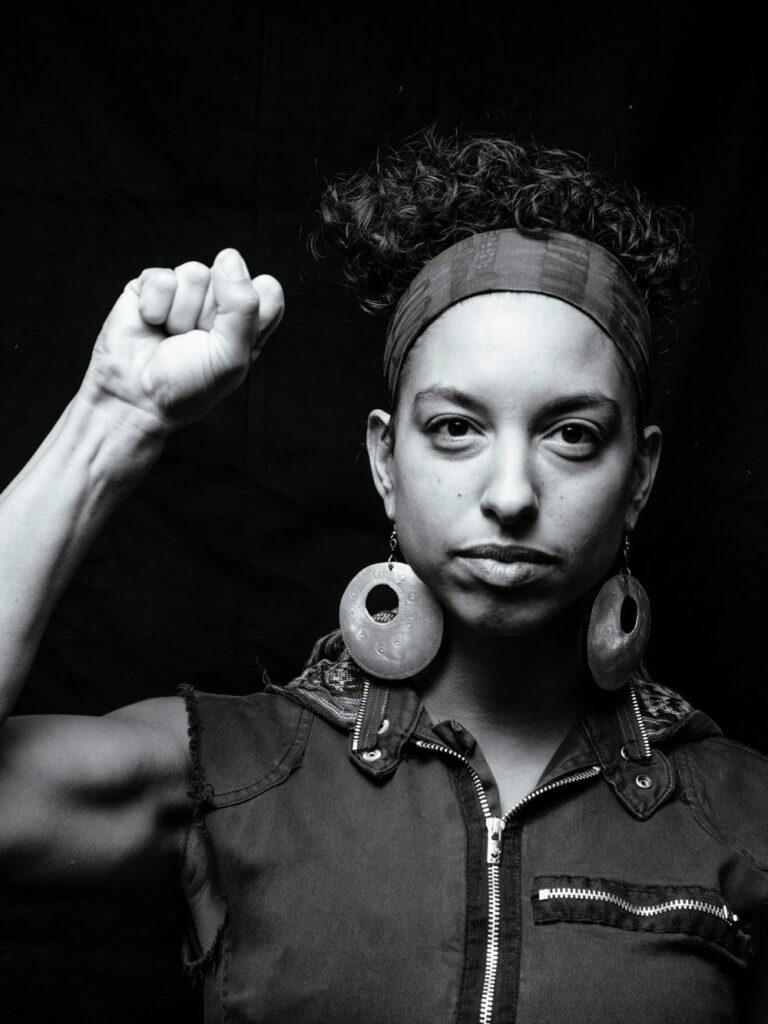
 In the modern environmental movement, the narrative is often dominated by technical solutions to climate change. However, Leah Penniman argues that the crisis of our planet cannot be solved without addressing the crisis of our human relationships—specifically the history of land theft and labor exploitation. As the co-founder of Soul Fire Farm, Penniman has emerged as one of the most vital voices in the “food sovereignty” movement, a philosophy that goes beyond “food justice” to demand that communities have the power to control their own food systems.
Penniman’s journey is rooted in a refusal to accept the status quo of “food apartheid”—a term she prefers over “food deserts” because it acknowledges the systemic, man-made nature of food inequity. When she found herself in a neighborhood where it was easier to find a weapon or a bag of chips than a head of kale, she didn’t just look for a grocery store; she looked for a shovel. She recognized that for Black and Brown people, the relationship with the land was complicated by the trauma of slavery and sharecropping. Her work is dedicated to “decolonizing” the soil, helping her community remember that their ancestors were master farmers who brought seeds of okra and millet hidden in their hair across the Atlantic.
Soul Fire Farm, located in Grafton, New York, serves as a living laboratory for this vision. It is more than a farm; it is a campus for liberation. Through their “Black-Latinx Farmers Immersion” programs, Penniman and her team teach regenerative practices—such as no-till farming, silvopasture, and heavy mulching—all of which have roots in Afro-Indigenous traditions. By honoring these ancestral methods, she corrects the historical record, showing that “sustainable” farming isn’t a new Western invention, but a legacy preserved by people of color for millennia.
The impact of Penniman’s work extends far beyond the borders of her farm. She has become a leading advocate for land reparations, highlighting how discriminatory USDA policies led to the dispossession of millions of acres from Black farmers. Her advocacy has influenced national policy discussions regarding the Farm Bill and climate justice, ensuring that the farmers most affected by climate change and systemic racism have a seat at the table.
Leah Penniman’s story matters because it offers a roadmap for a livable future. She proves that courage is the act of planting a seed in a system designed to keep you hungry. Her example resonates today because it addresses the most fundamental human needs: the need for nourishment, the need for belonging, and the need for a dignified relationship with the earth. She teaches us that liberation is not a destination we reach, but a crop we must tend to every single day.