TuesdaysWithJunior 05.19.2026 Cover

First Round Win. Now Come the Tests.

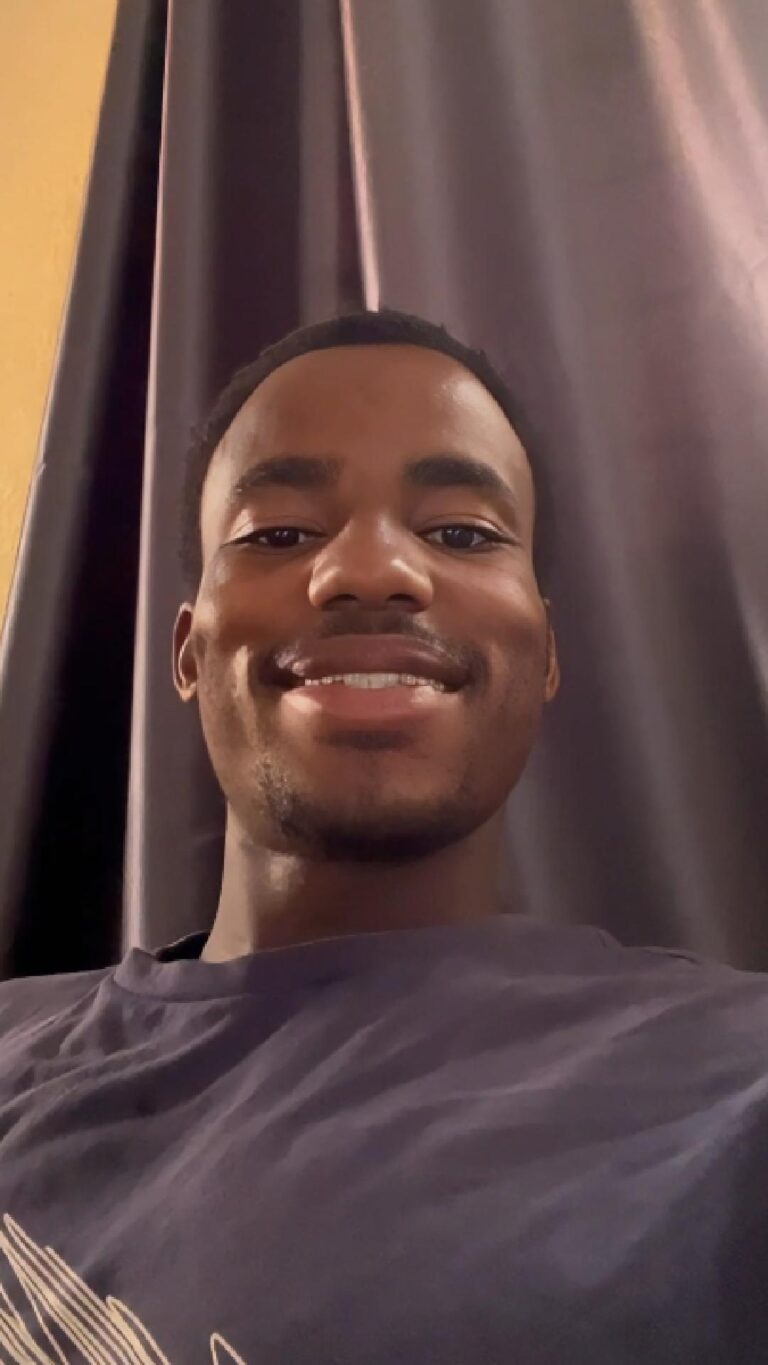
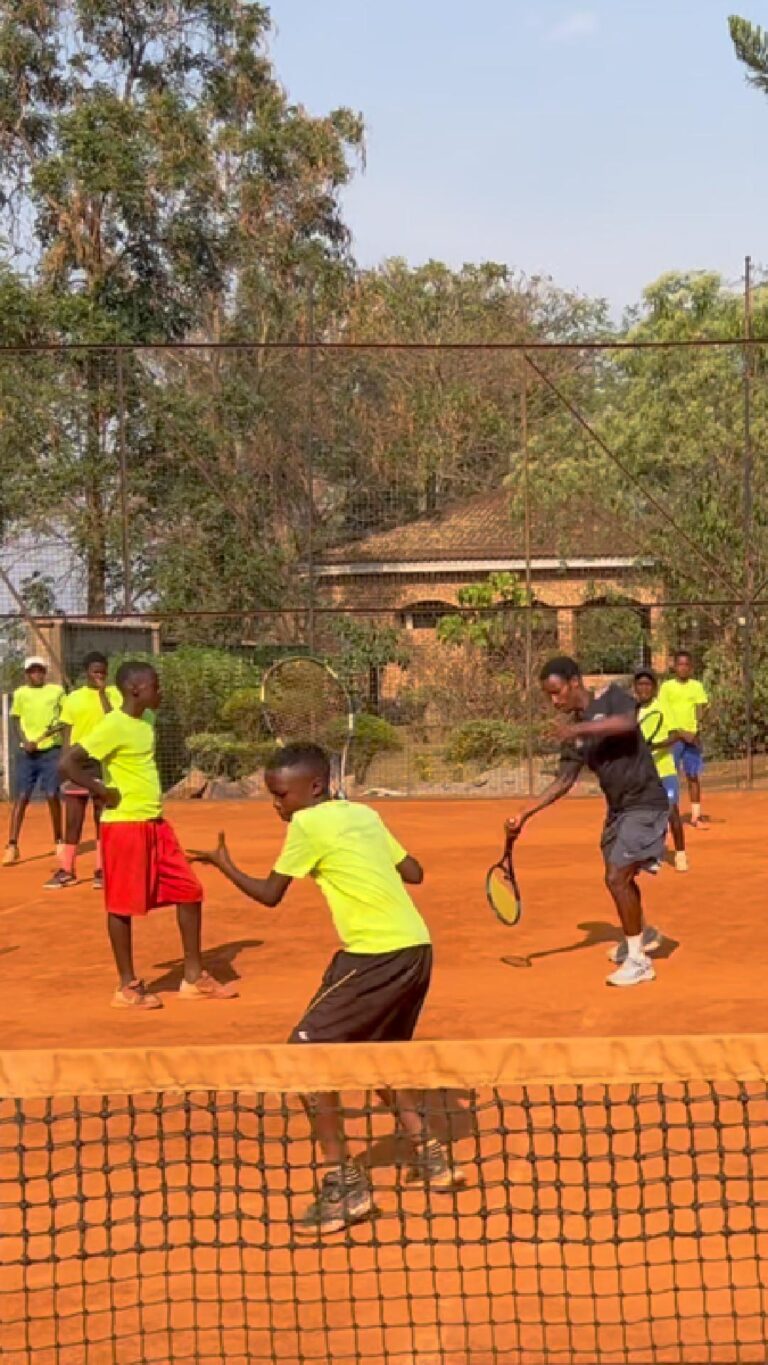
Junior’s tournament kicked off this week, and he came out with exactly the result the preparation was for. “I just started my tournament today and I won my first round,” he said. “I’m feeling good and I’m ready for more matches to come — and to give my best.”

That quiet confidence is earned. It’s built from months of training at one of the world’s top tennis academies — training made possible by a Love All Scholarship that gave him access to the kind of infrastructure most talented young athletes never reach.

Read MoreFirst Round Win. Now Come the Tests.
Image

A. Philip Randolph

In 1925, the Pullman Company thought they bought the man. But A. Philip Randolph proved they only rented his time—never his mind. He didn't just start a union; he engineered a Brotherhood. By organizing the rail yards, he built the floor the Black middle class stands on today.

Read MoreA. Philip Randolph
TuesdaysWithJunior 05.05.2026

Semi-Finals, School & the Art of Balance

"It was a good opportunity for me to fully focus on the tournament and give my best," Junior reflected. "The results were great and I'm really happy with this."

For a young athlete far from home, every tournament is a proving ground. The quarter-final result isn't just a scoreline — it's evidence that the Love All scholarship pipeline is producing exactly what it promises: sovereign, high-performing young leaders who compete on the world stage.

Read MoreSemi-Finals, School & the Art of Balance
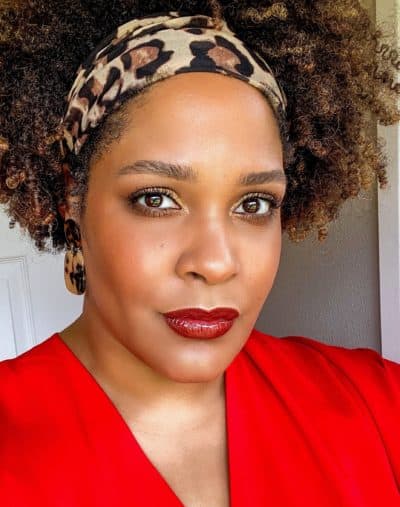
LaTosha Brown Black Voters Matter 1200x900

LaTosha Brown

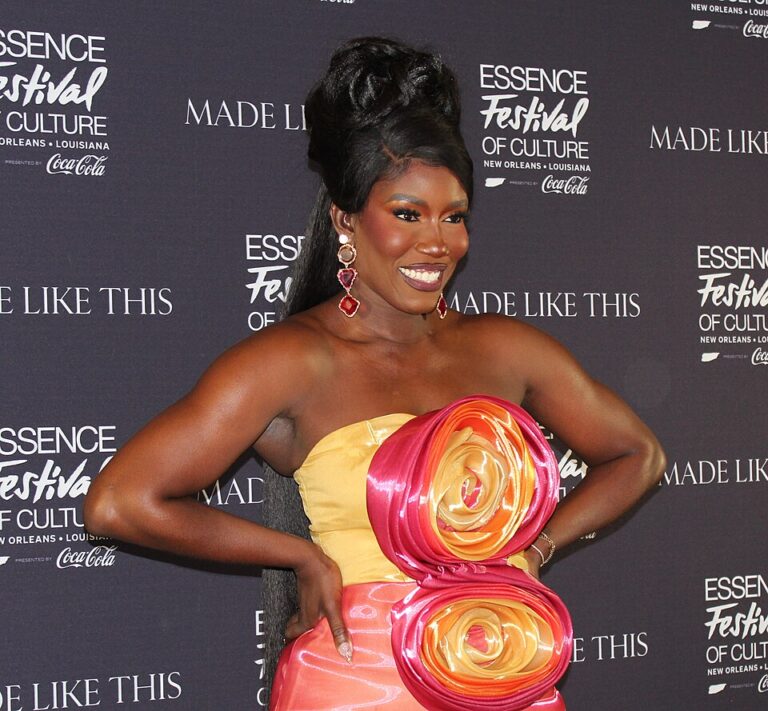
LaTosha Brown proves that power is a philanthropic asset. She has taken the baton from Madam C.J. Walker, moving from a "beauty culture" network to a "political culture" network. She reminds us that the greatest gift we can give is not a temporary safety net, but the permanent infrastructure of our own agency. She is the voice of the Future, telling us that "we are the rescue we’ve been waiting for."

Read MoreLaTosha Brown
Junior Hakizumwami

Quarter-finals, holidays, and the art of balance: Junior’s week in review

"It was a good opportunity for me to fully focus on the tournament and give my best," Junior reflected. "The results were great and I'm really happy with this."

For a young athlete far from home, every tournament is a proving ground. The quarter-final result isn't just a scoreline — it's evidence that the Love All scholarship pipeline is producing exactly what it promises: sovereign, high-performing young leaders who compete on the world stage.

Read MoreQuarter-finals, holidays, and the art of balance: Junior’s week in review
216199e5 f98d 470d 9ce5 f15232414edd thumb

Dr. Lakeysha Hallmon

Born and raised in the South, Dr. Lakeysha Hallmon began her career as an educator, but her "turning point" came when she witnessed the vast "wealth gap" in how Black entrepreneurs were supported—or ignored—by traditional philanthropy. She realized that for Black businesses to thrive, they didn't need "charity"; they needed a Village. She moved from the classroom to the economic front lines, founding The Village Market in Atlanta to prove that community-led commerce is the highest form of mutual aid.

Read MoreDr. Lakeysha Hallmon
Oseola mccarty 0 1024x576.jpg

Oseola McCarty

Born in 1908 in Mississippi, Oseola McCarty’s life was defined by labor and quiet resilience. A significant turning point occurred in the sixth grade: when her aunt fell ill and required constant care, Oseola left school to help at home and never returned. She spent the next 75 years earning a living as a washerwoman, scrubbing clothes by hand on a washboard for $1.50 a load. While others might have seen this as a life of lack, Oseola saw it as a life of discipline. She lived a radically simple existence—never owning a car, walking everywhere, and saving every penny she didn't need for basic survival—slowly amassing a fortune in $1 and $5 bills.

Read MoreOseola McCarty
1683086830275

Jessica Byrd

Jessica Byrd’s path was forged in the intersection of local community care and systemic gaps in Columbus, Ohio. Growing up in a working-class environment, she witnessed how traditional political structures often extracted votes from Black communities without reinvesting in their actual well-being. The turning point came during her early years in formal politics, where she realized that the "consulting industrial complex" was fundamentally broken for organizers of color. Rather than waiting for a seat at a table that didn't value her expertise, she pivoted to build a new infrastructure that treated political organizing not as a seasonal hobby, but as a year-round, life-saving necessity.

Read MoreJessica Byrd
PA 085 Free African Society

The Free African Society (1787)

Founded in Philadelphia by Richard Allen and Absalom Jones, the Free African Society (FAS) emerged from a moment of profound exclusion. Both men had purchased their freedom but found that even "free" spaces—like the St. George’s Methodist Episcopal Church—were segregated. The turning point occurred when Allen and Jones were pulled off their knees during prayer for sitting in a "white" section. Realizing that true freedom required independent institutions, they formed the FAS to provide the social safety net the government denied them.

Read MoreThe Free African Society (1787)
Main photo ron EvenTaller

Ron Finley

Born and raised in South Central Los Angeles, Ron Finley grew up in a "food desert" where drive-thrus were more common than driveways and liquor stores outnumbered grocery stores. A successful fashion designer by trade, his life’s "turning point" came in 2010 when he grew tired of driving 45 minutes just to find a tomato that hadn't been chemically treated. He decided to plant a garden in the small strip of dirt between the sidewalk and the street—the parkway—in front of his house. This simple act of planting carrots and kale led to a citation and an arrest warrant from the City of Los Angeles, sparking a grassroots rebellion against the city’s definition of "land use."

Read MoreRon Finley