
In the sweltering heat of Philadelphia’s 1793 Yellow Fever epidemic, a group of men and women moved through the city’s silent, death-stricken streets. While the wealthy and the government had fled to the countryside, the members of the Free African Society (FAS) remained. They were not there as servants, but as the city’s primary caregivers and undertakers. This moment of crisis was the public debut of a revolution in Black self-reliance that had begun six years prior.
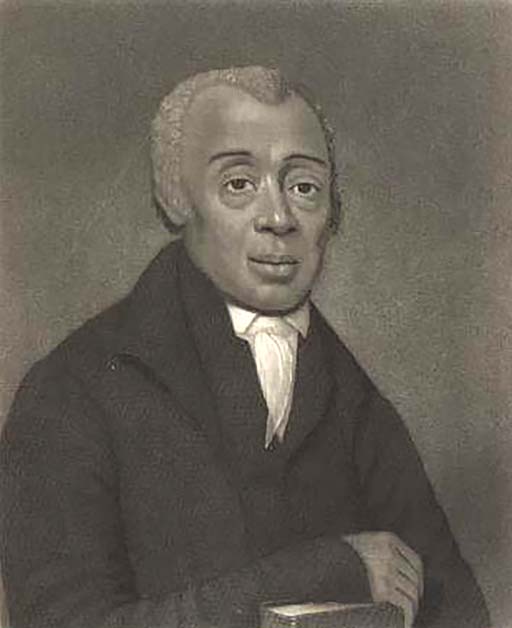
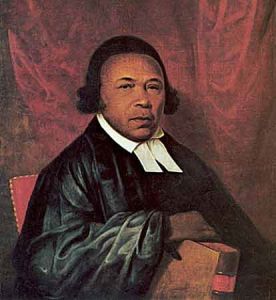
The Free African Society, founded in 1787, was born from a refusal to accept second-class spiritual or social status. When Richard Allen and Absalom Jones walked out of St. George’s Methodist Episcopal Church after being physically removed from their knees during prayer, they didn’t just leave a building—they left a system. They understood that religious freedom was hollow without economic sovereignty.
The FAS was the first non-religious mutual aid society for African Americans. At its core was a “subscription” model: members paid one shilling a month into a general fund. This was not a tax, but a collective investment. In an era where Black families were often barred from banks and insurance policies, this fund provided a vital safety net. It paid for the burials of the indigent, supported widows, and educated the “fatherless children” of the community. In doing so, Allen and Jones created a proto-Social Security system that recognized the inherent dignity of the Black life cycle.
Beyond finance, the FAS acted as a moral and civic tribunal. It set standards for marriage and conduct, effectively creating a “state within a state” where Black citizens could govern themselves and settle disputes without the interference of a biased legal system. This institutional independence was a direct threat to the logic of slavery, which relied on the myth that Black people were incapable of self-governance.
The legacy of the FAS is found in the very architecture of modern Black life. It was the “mother” institution that gave birth to the African Methodist Episcopal (AME) Church, providing the spiritual home for millions. More importantly, its model of “pooling resources” became the blueprint for the Black insurance companies and credit unions of the 20th century.
The story of the Free African Society matters today because it reframes the narrative of Black history from one of constant struggle to one of constant innovation. They proved that when a system is designed to exclude you, the most radical act of resistance is to build a system that includes everyone else.