
We were taught the scattering was the tragedy: that to be spread across continents was to be cut from the root. July’s visionaries prove otherwise. From the lecture halls of 1880s Liberia to the global tech stages of today, Black thinkers have mapped systems of power across continents and centuries. Colonizers could exile the body. They could never exile the mind.
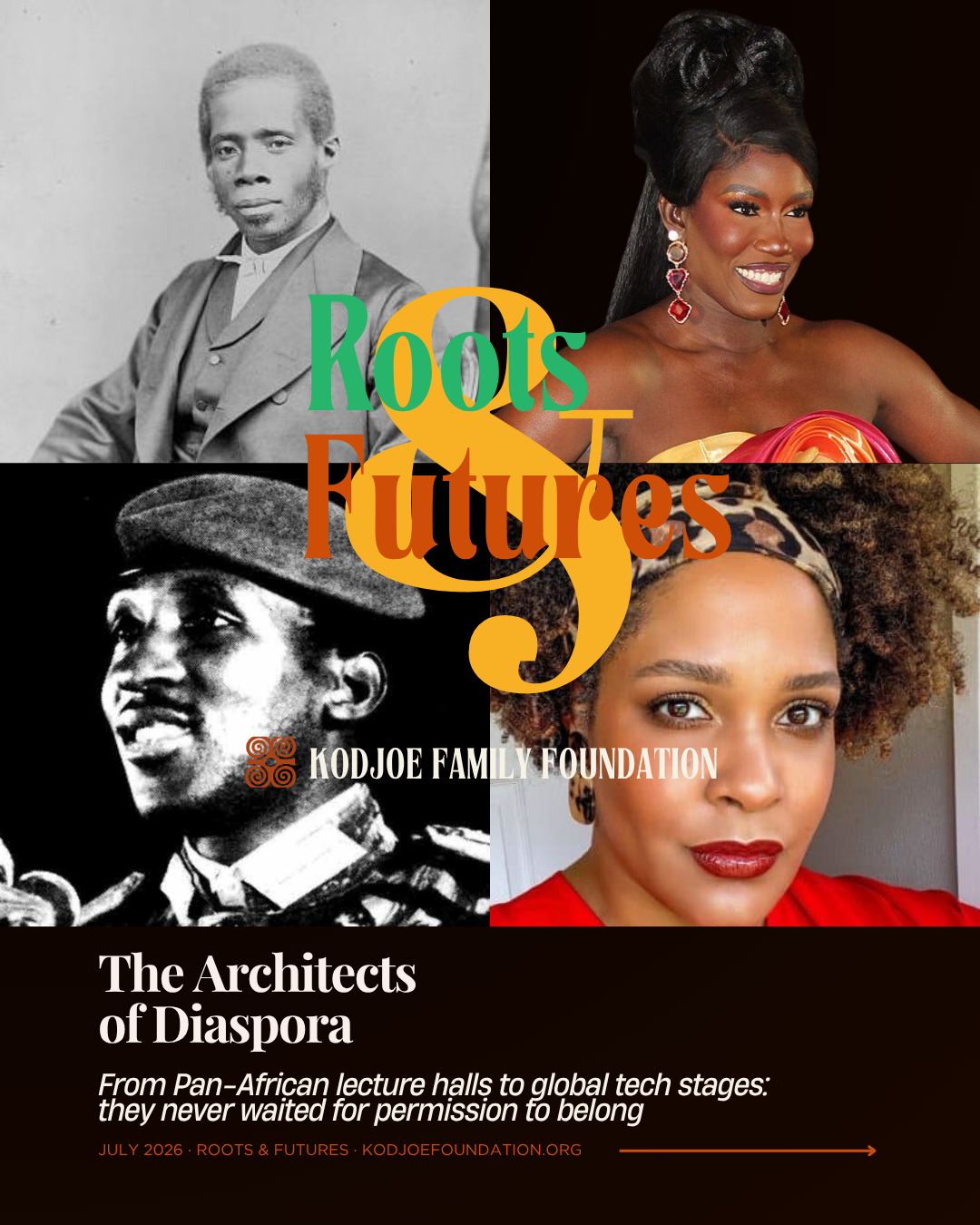
Edward Wilmot Blyden, born in the Caribbean and raised across three continents, wrote the intellectual foundation of Pan-Africanism in the 1880s, arguing against colonial erasure decades before the language of decolonization existed. His modern counterpart is Bozoma Saint John, who walked into Apple, then Netflix, then Uber, and changed what “global brand” means each time, refusing the same cultural erasure Blyden named a century earlier in a different arena.
Thomas Sankara became president of one of the poorest countries in the world in 1983. Two years later, Burkina Faso fed itself, a direct answer to the neo-colonialism he refused to accept as permanent. His contemporary echo is Ijeoma Oluo, who wrote the book on race, then kept writing, because the systems she named keep shifting and refuse to stay named once.
Whether it’s 19th-century Pan-African letters crossing the Atlantic or 21st-century essays reshaping global discourse, the goal has always been the same. The narrative was not lost. It was hidden. This month, we meet the architects who turned the diaspora into a relay.