
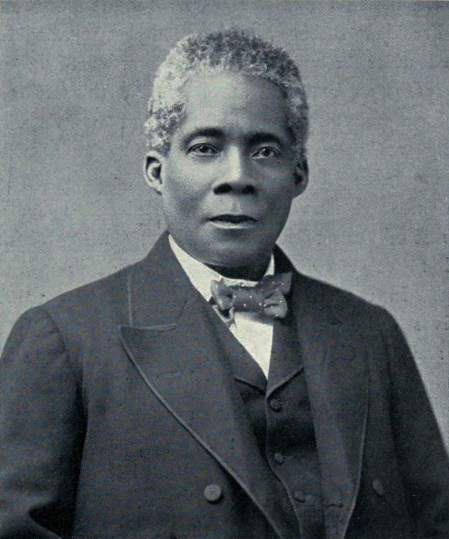
Edward Wilmot Blyden: The Architect of Pan-African Identity
In 1851, three American colleges refused Edward Wilmot Blyden — not for his mind, but for his skin. He sailed to Liberia and built the intellectual foundation of Pan-Africanism instead.
In 1851, three American colleges refused Edward Wilmot Blyden — not for his mind, but for his skin. He sailed to Liberia and built the intellectual foundation of Pan-Africanism instead.
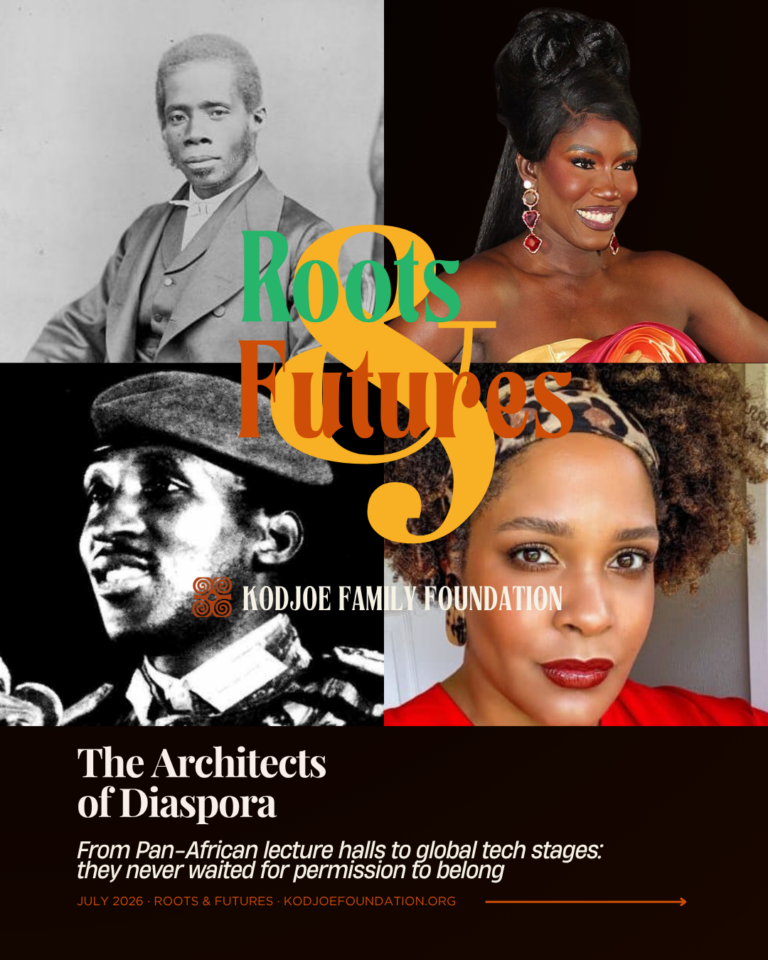
We were taught the scattering was the tragedy: that to be spread across continents was to be cut from the root. July’s visionaries prove otherwise. From the lecture halls of 1880s Liberia to the global tech stages of today, Black…

Junior is home. After months at the Mouratoglou Academy in Biot, France, and his graduation in June, Junior Hakizumwami is back in Rwanda. And the first thing on his mind? The food he hasn't eaten in so long. The places he missed. That feeling of being exactly where you came from. It's grounding in a way that no amount of progress on the court can replace.
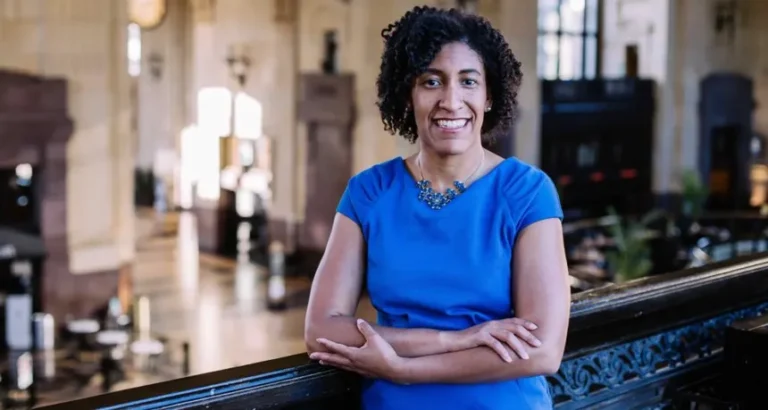
Kristen Jeffers built The Black Urbanist from scratch — a multimedia platform centered in Black Queer Feminist thought that Bloomberg CityLab and NPR have cited as a leading voice on urban equity. Her argument: a city that fails its most vulnerable residents is not a success story. It is a design flaw.
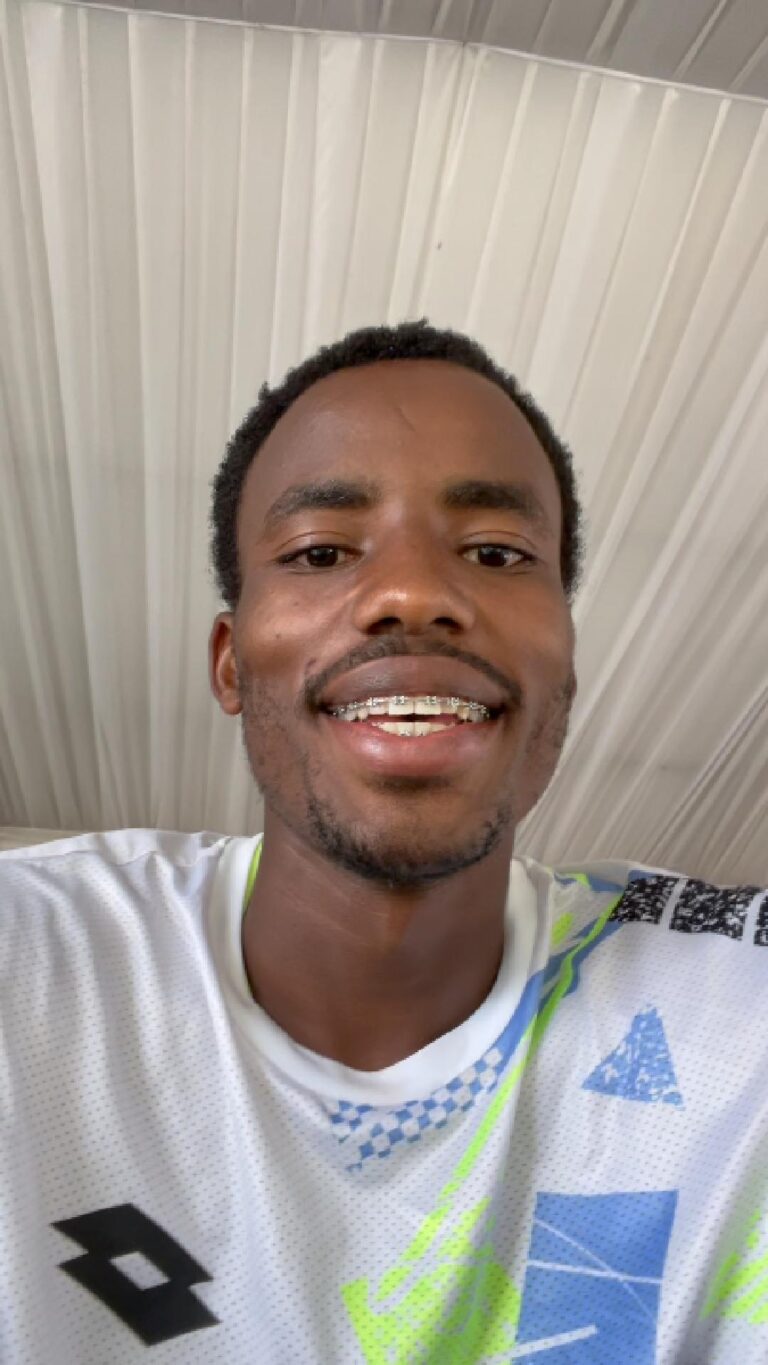
After months of grinding through the French clay season, navigating exams, and graduating from one of the world's elite tennis academies, Junior is exactly where he's supposed to be — back in the arms of his community, and stepping onto the national stage as its representative.
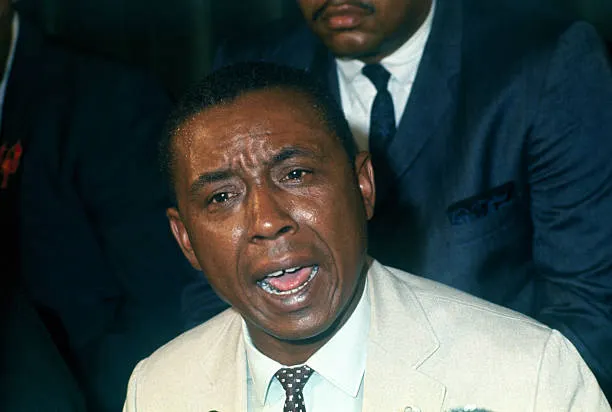
In 1969, Floyd McKissick bought a 5,000-acre former slave plantation in North Carolina and announced he was building a city. He secured $14 million in federal loans, laid water pipelines, and broke ground — until the project was strangled by political opposition. Soul City's blueprint proved that Black economic self-determination works.
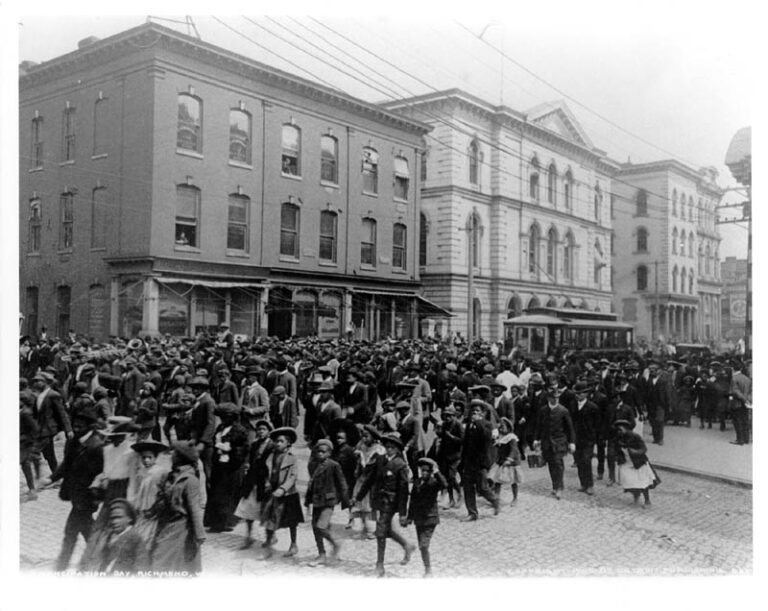
January 1, 1863. The Emancipation Proclamation was signed. June 19, 1865. Texas heard about it. Two years. Six months. Nineteen days. That gap isn’t a footnote in history. It’s a blueprint for how exclusion actually works. Not through a single…
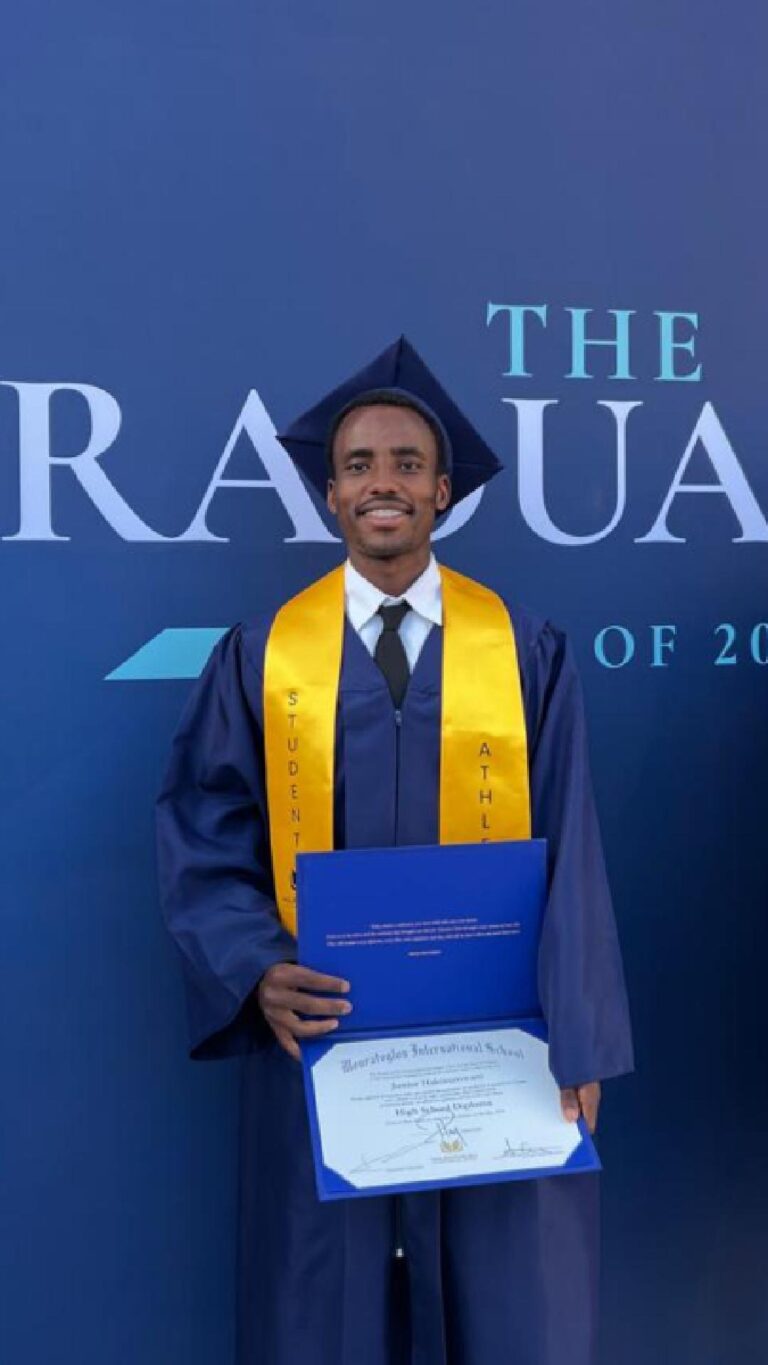
This week, Junior Hakizumwami graduated from the Mouratoglou Academy in Biot, France. He walked across that stage as a Love All Scholar, a trained athlete, and a young man who spent a full year proving that the bridge between possibility and reality can be built — deliberately, brick by brick — when the right infrastructure exists.

Mariam Kamara walked away from a seven-year tech career to study architecture, then returned to Niger to build the Hikma Complex using compressed earth bricks that regulate extreme heat naturally. Her practice, Atelier Masomi, proves that the answers for African communities were in the soil the entire time.

Tuesdays with Junior | Ep 23 | June 9, 2026 Two Words. A Year in the Making. There is a moment when all the early mornings, the late-night study sessions, and the relentless pressure of balancing elite athletic training with…