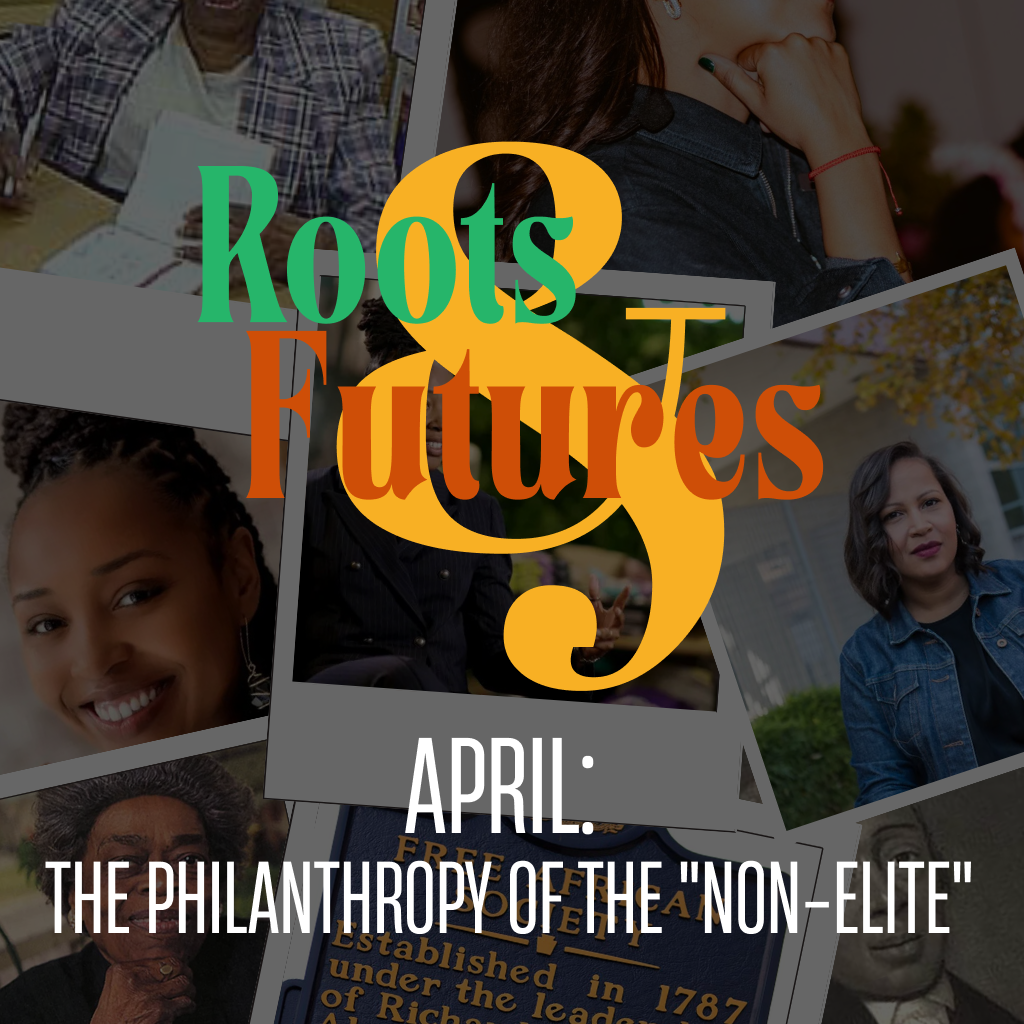
Philanthropy is often depicted as a top-down endeavor — a benevolent hand extended from a position of extreme surplus. But the history of the non-elite giver tells a different story. The most transformative acts of generosity come not from abundance, but from a profound sense of shared destiny.
The Free African Society, founded in 1787 by Richard Allen and Absalom Jones, pioneered mutual aid as a survival strategy. By pooling small monthly dues, formerly enslaved people created their own social safety net — a proto-insurance system that protected the dignity of the community when the state refused to acknowledge their humanity. Oseola McCarty spent 75 years washing clothes to save $150,000 and donate it to students she would never meet, proving that a life of service is not a small life.
Jessica Byrd and the Electoral Justice Project represent the evolution of this tradition — directing collective capital toward grassroots organizers and treating political philanthropy as community venture capital. Dr. Lakeysha Hallmon built The Village Market into an economic engine that has circulated millions directly into Black-owned businesses, proving that community commerce is the highest form of modern mutual aid.
The common thread: the rejection of the savior complex. In non-elite philanthropy, the donor and the recipient are often the same people. The most sustainable form of giving is the one where we invest in our own brilliance — and prove that we do not have to wait for the elite to save us when we have always had the power to save ourselves.