
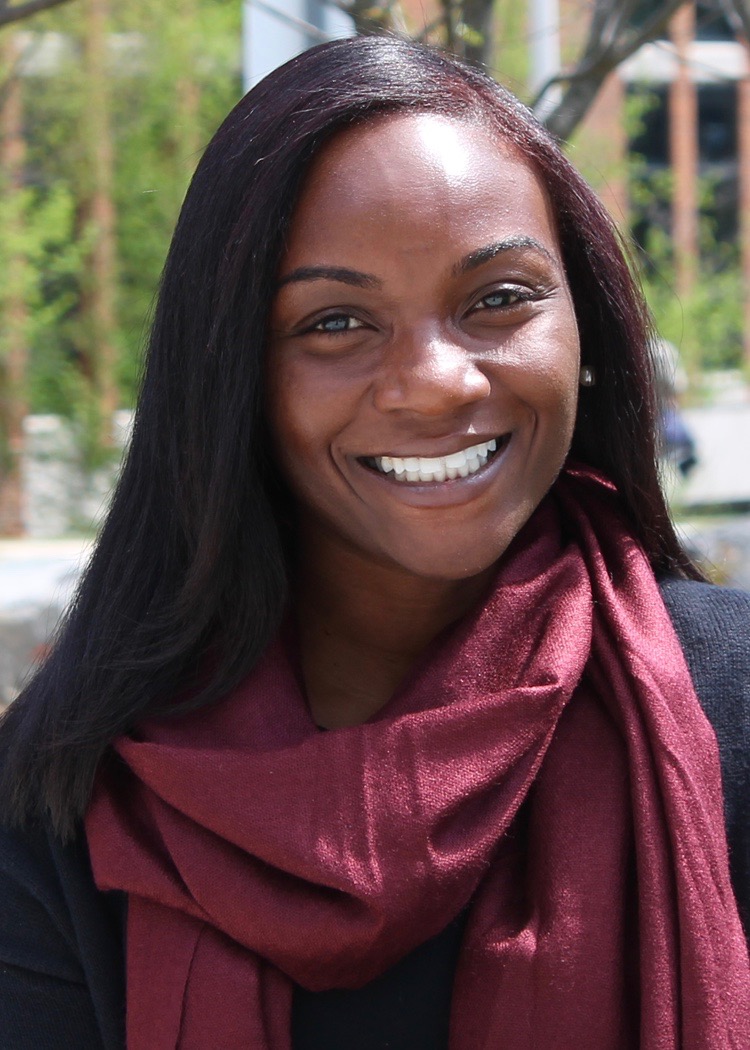
Kizzmekia “Kizzy” Corbett was born in Hurdle Mills, North Carolina, and built her path through science as a Meyerhoff Scholar at the University of Maryland Baltimore County before earning her PhD in microbiology and immunology from the University of North Carolina at Chapel Hill in 2014. That same year, she joined the National Institutes of Health’s Vaccine Research Center, where she eventually became scientific lead for the Coronavirus Vaccines and Immunopathogenesis Team, studying coronavirus spike proteins years before most of the world had reason to care.
That groundwork mattered enormously in January 2020. When the genetic sequence for the novel coronavirus was released, Corbett’s team designed the vaccine concept that became mRNA-1273, developed in partnership with Moderna. The first clinical trial began just 66 days later, a timeline that seemed to come out of nowhere but was actually years in the making.
Corbett’s role didn’t stay behind the scenes by default. Dr. Anthony Fauci said publicly, at a National Urban League event, that the vaccine people were taking had been developed by an African American woman, and that it was a fact worth stating outright, because visibility for scientists like Corbett doesn’t happen automatically.
Corbett has spoken openly about what it means to be a Black scientist asking the public to trust a fast-moving vaccine, in a country with real, earned reasons for medical mistrust in Black communities. She’s called trust something that gets rebuilt “in a brick-by-brick fashion,” and said her role is to lay her bricks honestly, in public, answering the hard questions rather than avoiding them.
She’s now an Assistant Professor of Immunology and Infectious Diseases at Harvard’s T.H. Chan School of Public Health, and one of TIME’s Heroes of the Year for 2021.
Katherine Johnson’s math waited decades for its credit. Corbett didn’t wait. She built the visibility into the work itself, in real time, while the science was still saving lives.