There is a question worth sitting with: what does it actually mean for a brand to be global?
Not international. Not multi-market. Global — in the sense that the cultures shaping the world’s energy, creativity, and consumption are actually reflected in how that brand speaks, who it speaks to, and who is building the strategy from the inside.
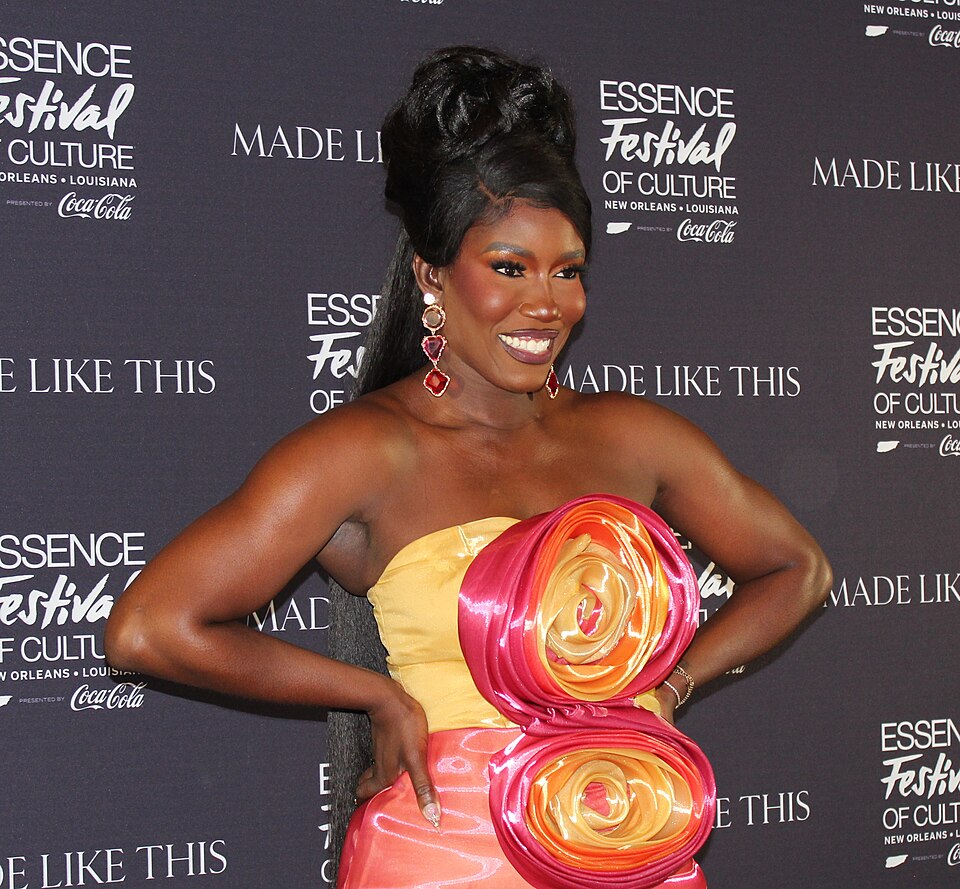
For most of the last three decades, the answer the tech industry gave to that question was a narrow one. Bozoma Saint John changed that answer. She didn’t change it with a memo or a diversity initiative. She changed it by walking into the most scrutinized marketing seats in the world — and refusing to leave her Ghanaian identity at the door.
Born in Accra, raised across Ghana, Kenya, and the United States, Saint John came to marketing through a path that had nothing to do with fitting in. At 13, her family moved to Colorado Springs — and she arrived as one of the few Black girls in her school, tall, conspicuous, and already carrying more cultural complexity than most of her peers would encounter in a lifetime. She later described that experience as the moment she learned what it meant to walk into a room without apology.
That instinct became a career.
She spent years building marketing strategy at Pepsi, where she helped orchestrate some of Beyoncé’s earliest commercial partnerships — recognizing the artist’s potential before the rest of the industry had caught up. Then came Apple, where she was named Head of Consumer Marketing for Apple Music and iTunes, and where she stood on a WWDC stage in 2016 and introduced Beats 1 to the world — a moment that made her one of the most visible marketing executives in tech, not because she conformed to what that stage usually looked like, but because she was wholly and unapologetically herself.
From Apple, she moved to Uber as Chief Marketing Officer during one of the most turbulent periods in the company’s history. Then Netflix. Then Endeavor, the global talent and entertainment agency. Four of the highest-profile CMO roles in American business — and she held each of them while remaining, by her own insistence, a Ghanaian woman first.
In 2019, that identity became a platform. Saint John was instrumental in shaping Ghana’s Year of Return — a government initiative that, with her involvement and the broader diaspora’s energy behind it, became a global cultural movement. Hundreds of thousands of Black people from the United States, the Caribbean, and across the African diaspora traveled to Ghana that year. The campaign did not just generate tourism revenue. It reframed what belonging could look like across continents.
Then came The Urgent Life.
Published in 2023, her memoir is not a marketing book. It is a reckoning with grief — specifically, the grief of losing her husband, Peter Docter Saint John, to Burkitt lymphoma in 2013, when their daughter was four years old. Saint John has spoken openly about how that loss did not slow her career — it clarified it. The urgency she has brought to every room she has entered is not performance. It is the posture of someone who knows, with unusual precision, how little time there is and how much of it is wasted asking permission to be exactly who you are.
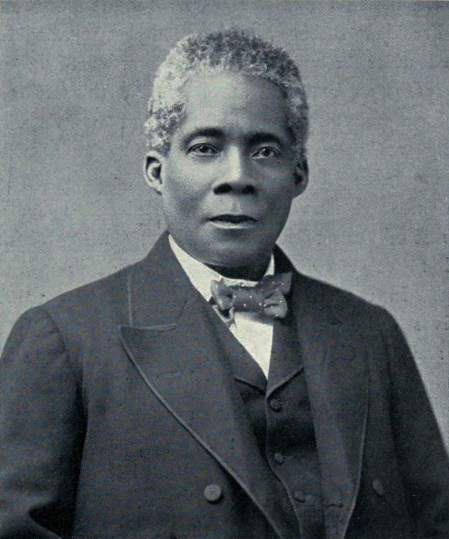
The intellectual genealogy here matters. Edward Wilmot Blyden, the 19th-century scholar and diplomat who spent his life arguing that African identity was not a wound to be healed by Western civilization but a foundation to build from, never got to see what that argument could look like inside a Fortune 500 boardroom. He built the intellectual infrastructure. Bozoma Saint John is running the play.
What she has demonstrated — through Apple, through Uber, through Netflix, through Ghana — is that global does not mean universal sameness. It means that the cultures which have been deliberately excluded from the center of brand strategy are precisely the ones that know how to reach the world. African identity, diaspora experience, the texture of a life lived across borders and languages and losses — these are not soft assets. They are competitive advantages, when the person carrying them is finally given the seat to use them.
The relay is not metaphorical. It is structural. Blyden built the argument. Bozoma is building the proof.