For most of its modern history, urban planning in America has been done to Black communities rather than with them. Highways were routed through Black neighborhoods. Transit was designed to serve commuter suburbs, not inner-city residents. Zoning codes pushed industrial facilities into communities of color while protecting wealthier areas. The result was not an accident; it was the product of thousands of planning decisions made by professionals who did not look like the people most affected by those decisions.
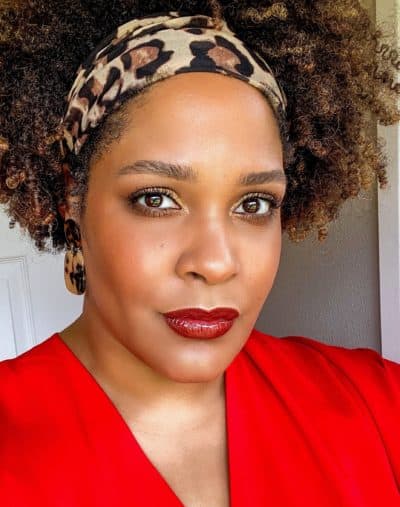
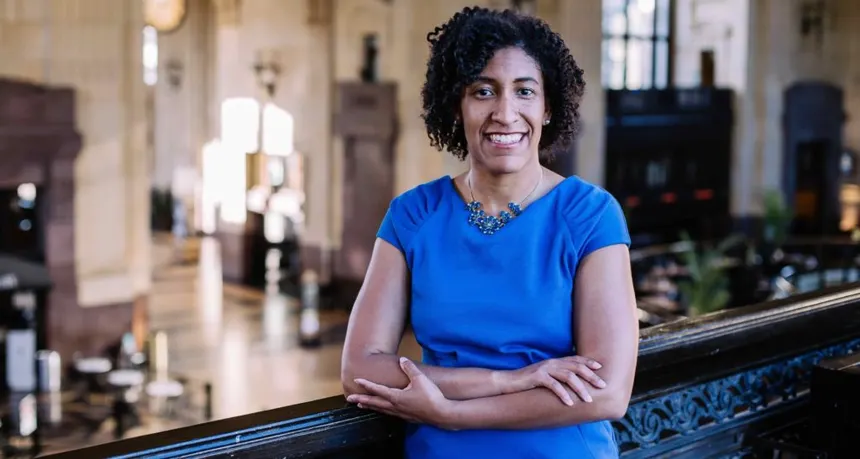
Kristen Jeffers built The Black Urbanist to change who gets to define the city.
Starting as a blog in the early 2010s, The Black Urbanist evolved into one of the most cited voices in American urban policy — referenced by Bloomberg CityLab, NPR, and academic institutions working on questions of transit equity, housing justice, and community planning. Jeffers’ framework is rooted in Black Queer Feminist thought: the insistence that the city must be evaluated from the perspective of its most vulnerable residents, not its most powerful ones. If a transit system doesn’t work for a disabled Black woman without a car, Jeffers argues, it isn’t a success — it’s a design flaw.
Her work centers on what she calls the “human scale” — the experience of moving through a city as a person, not as a unit of economic productivity. She writes about sidewalks and bus stops. She analyzes zoning codes and comprehensive plans. She names the specific policy choices that make some neighborhoods livable and others deliberately uninhabitable. And she does all of this in language accessible to anyone willing to read it, because she believes planning decisions should be made by communities, not just credentialed experts.
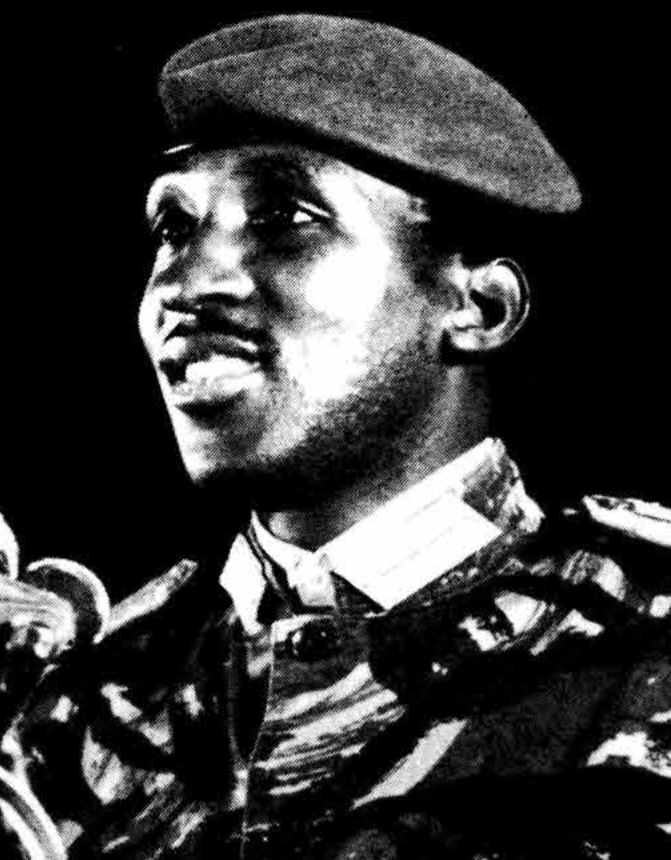
Jeffers represents the completion of the relay started by Floyd McKissick. Where McKissick tried to build a city that Black people could own outright, Jeffers works within the existing city — demanding that it finally become what it was always supposed to be: a place where everyone can live with dignity.
She proves that the most important urban planning tool is not a zoning map or a capital budget. It’s a framework that starts with the question: Who is this city actually for? “My urbanism is enough because we are an interconnected web of urbanisms.” The city of the future will be built on her answer.