We were taught rest was earned only after the fight was won. August’s visionaries knew better: stillness was never a reward. It was the practice that made the fight sustainable in the first place. From a segregated San Francisco sanctuary in 1944 to a Malibu ashram three decades later, Black healers have built rest and silence into deliberate, protected practice. The tiredness was real. So was the refusal to perform through it.
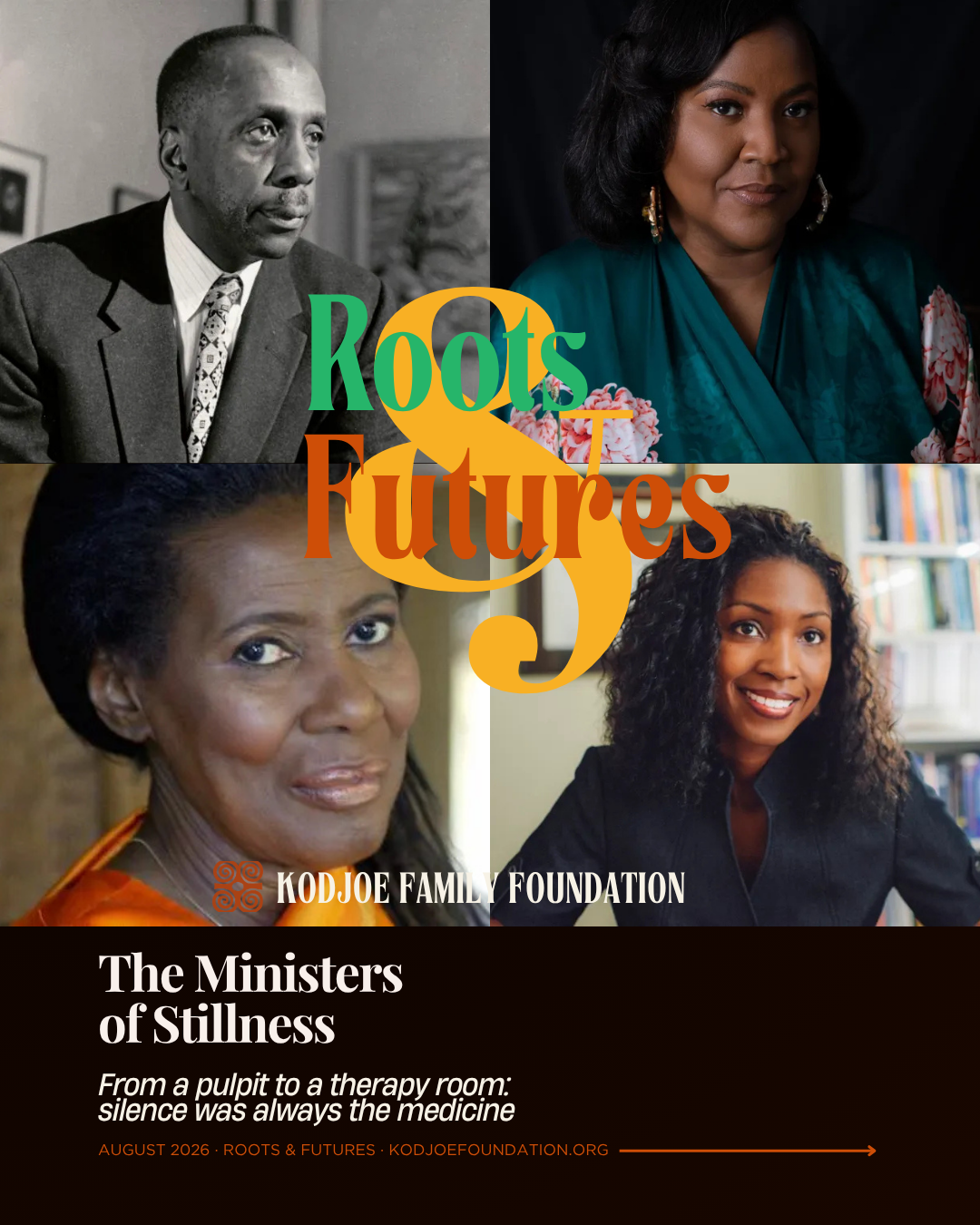
In 1944, Howard Thurman, a Baptist minister, built a church in San Francisco where the silence belonged to everyone, regardless of race, a sanctuary from segregation itself. Seven decades later, Tricia Hersey, tired of watching Black women earn their rest instead of claiming it, built a ministry around the nap. Her Nap Ministry, founded in Chicago in 2016, answers Thurman’s sanctuary with the same argument: rest is not what you’re given once grind culture is done with you.
In 1967, grief left Alice Coltrane with no bottom after the death of her husband, John Coltrane. She turned it into an ashram instead, founding a spiritual community in Malibu by 1975 that made stillness a discipline rather than a breakdown. Dr. Rheeda Walker, a Houston psychologist, looked at a Black youth suicide rate that climbed 144% in a decade and decided silence was the real danger, naming a crisis the field had let go unspoken for too long.
Whether it’s a 1944 pulpit built for silence or a clinic finally naming Black exhaustion as a crisis, the goal has always been the same. The rest was not indulgence. It was inheritance. This month, we meet the ministers who protected stillness long before wellness became a headline.