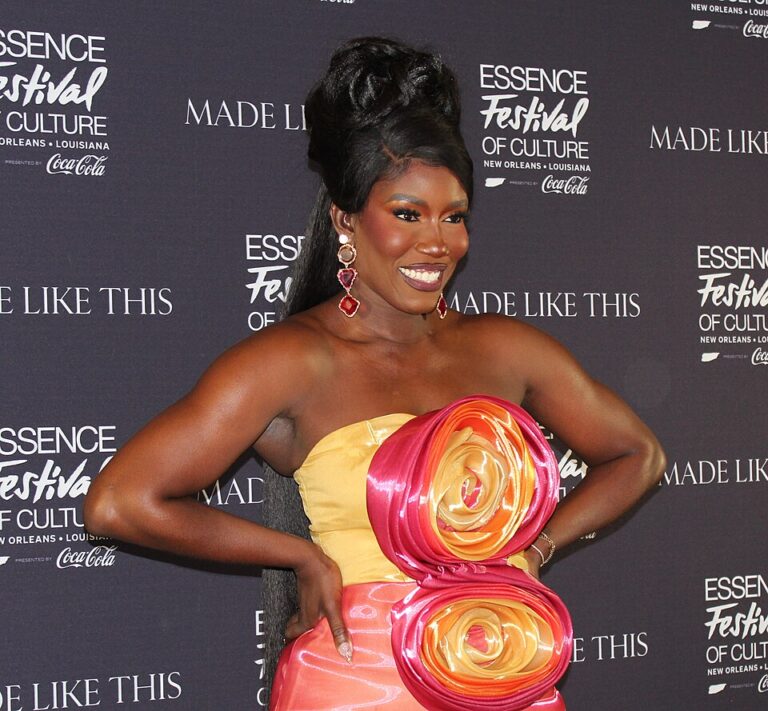
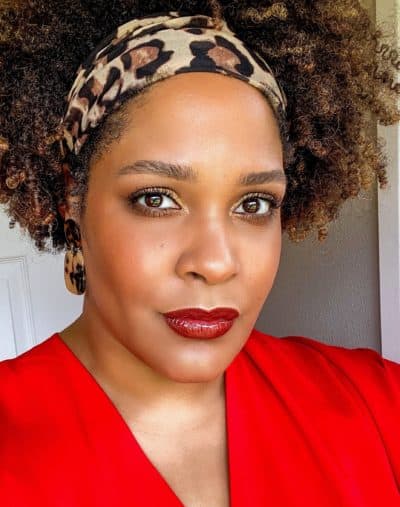
Before So You Want to Talk About Race arrived in 2018, most people navigating America’s racial landscape had the feeling — the discomfort, the frustration, the nagging sense that something structural was wrong — but not the vocabulary to name it with any precision. Ijeoma Oluo changed that. In a single book, she handed readers a framework that moved the conversation about race out of the realm of individual intention and into the territory of systems, power, and consequence.
Oluo was born in 1980 in Denton, Texas, to a Nigerian father and a white American mother. Her father returned to Nigeria when she was still a child and died in 2006. She grew up in Seattle, a biracial daughter of the diaspora, navigating spaces that didn’t fully claim her. That experience of standing between worlds — seeing American racial hierarchy from the inside and the outside simultaneously — became the analytical engine behind everything she would write.
She didn’t come to writing through a traditional literary path. After a career in technology and digital marketing, it was the 2012 murder of Trayvon Martin — who was the same age as her son, Malcolm — that pushed her to write publicly about race. She started on a food blog. The response changed her life.
By 2018, So You Want to Talk About Race had reached #1 on the New York Times bestseller list. It became one of the most assigned texts in corporate diversity trainings, university syllabi, and community reading groups across the country. When racial justice uprisings swept the nation in 2020, the book surged back to the top of bestseller charts — proof that naming the system doesn’t expire.
Her second major work, Mediocre: The Dangerous Legacy of White Male America (2020), moved into different but adjacent terrain. Where So You Want to Talk About Race gave readers a language for identifying racism in their lives, Mediocre exposed the structural mechanism that sustains white male power regardless of merit. It asked a blunt question: what happens to a country that tells generation after generation of men they deserve dominance not because of what they’ve built, but because of what they are?
The answer, Oluo argued, is that mediocrity gets institutionally protected. And that protection doesn’t only harm those excluded — it also deforms the men it claims to serve.
Her most recent book, Be A Revolution (2024), extends the analysis into action — showing how people across America are doing the quiet, structural work of building equity in education, labor, health, housing, and policing.
What unifies all three books is the perspective Oluo has never been able to abandon: the vantage point of someone who grew up Nigerian-American in a city that is predominantly white, who watched systems operate in ways that those fully inside them could not see. That outsider-inside position is not a limitation in her work. It is the source of its power.
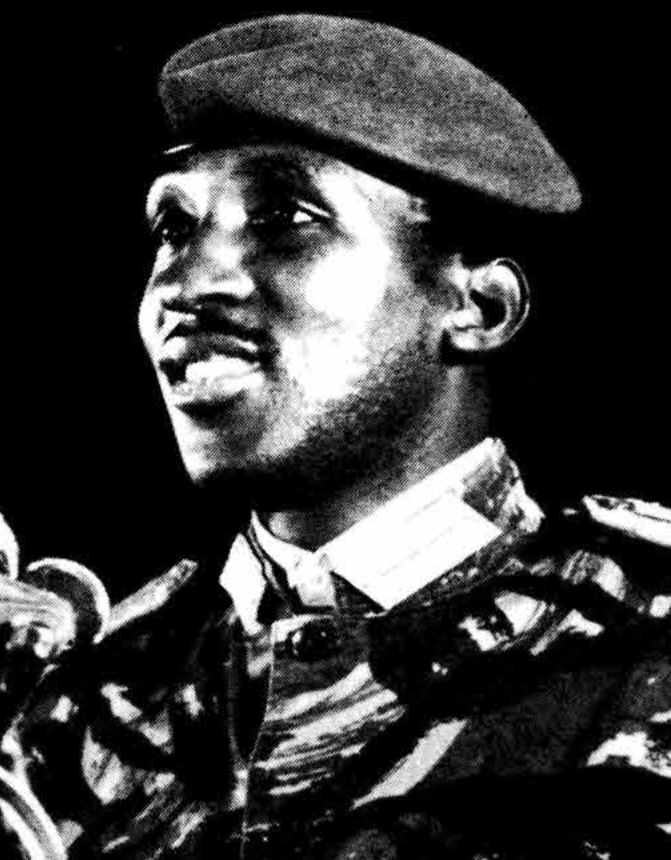
Thomas Sankara, who led Burkina Faso through the 1980s, refused to let imperial economic systems go unnamed in postcolonial Africa. He understood that clarity about how power operates is the precondition for any meaningful challenge to it. Oluo, writing from Seattle decades later, is operating inside a different geography but the same intellectual tradition — the insistence that naming systems is not academic exercise. It is the first act of transformation.
You can’t dismantle what you can’t name.
The relay continues.