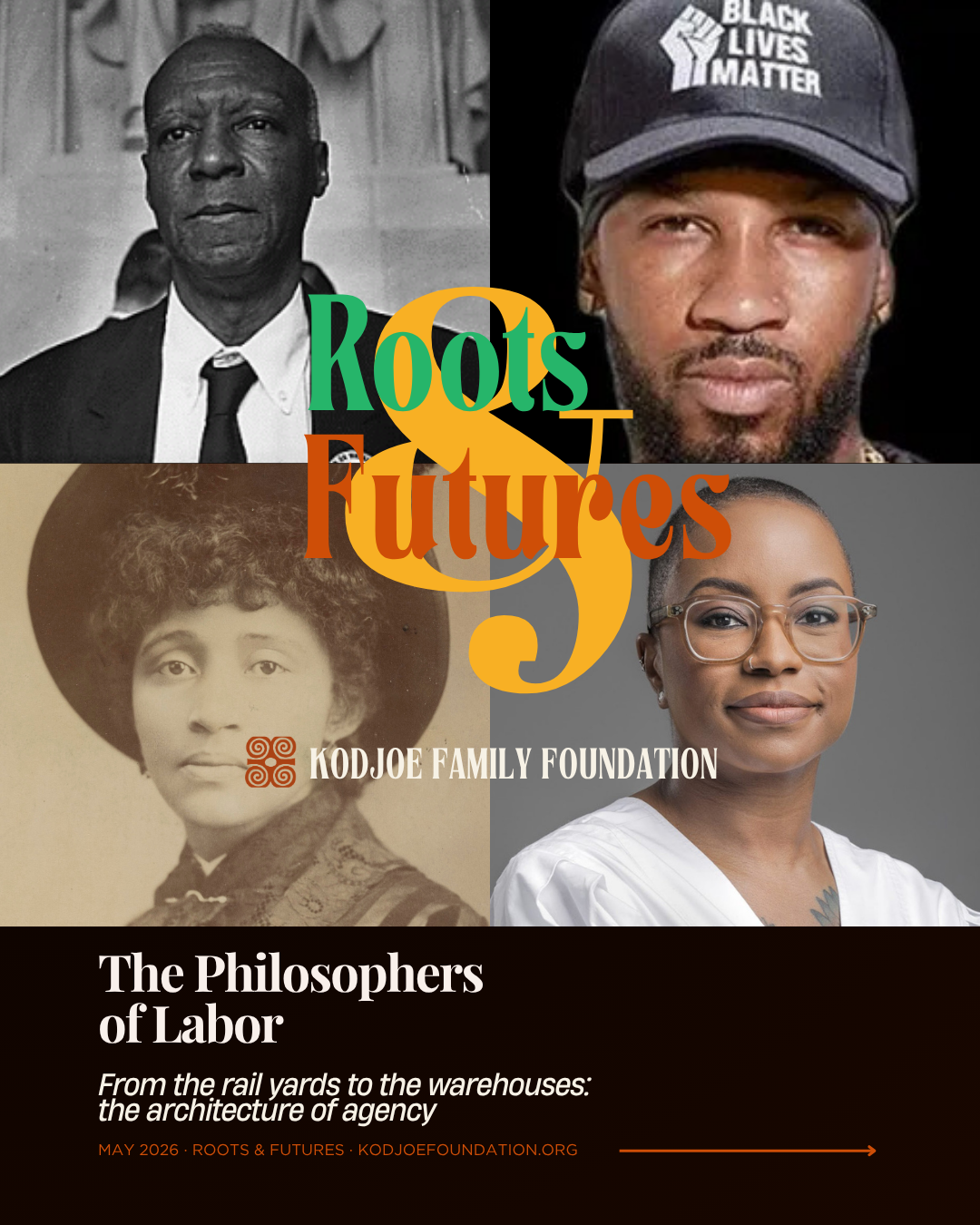
We have been taught that labor is a commodity — a resource to be extracted, measured, and eventually discarded. But the history of the Philosophers of Labor suggests a deeper truth: our work is not just how we survive; it is how we negotiate our power.
A. Philip Randolph understood that the individual worker is vulnerable, but the collective worker is a superpower. He spent twelve years organizing the Brotherhood of Sleeping Car Porters, winning the first collective bargaining agreement between a Black union and a major corporation. He didn’t just ask for better wages; he engineered the philosophy of the organized hand. Lucy Parsons took that same philosophy to its radical edge — fighting for the 8-hour workday and a union that included everyone the mainstream labor movement ignored.
Chris Smalls proved the relay was still moving. From a bus stop outside an Amazon warehouse in Staten Island, he built the first successful union vote against the company — proving that no algorithm can defeat a Village that knows its worth. Jenn Stowe is closing the loop Lucy Parsons opened: organizing the nannies and caregivers the Fair Labor Standards Act deliberately excluded, proving that the work done inside our homes is the work that makes all other work possible.
The modern work-life balance was not a gift from the elite. It was a victory. And the relay continues.