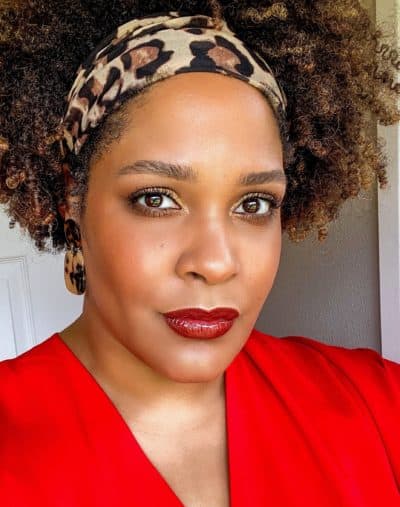
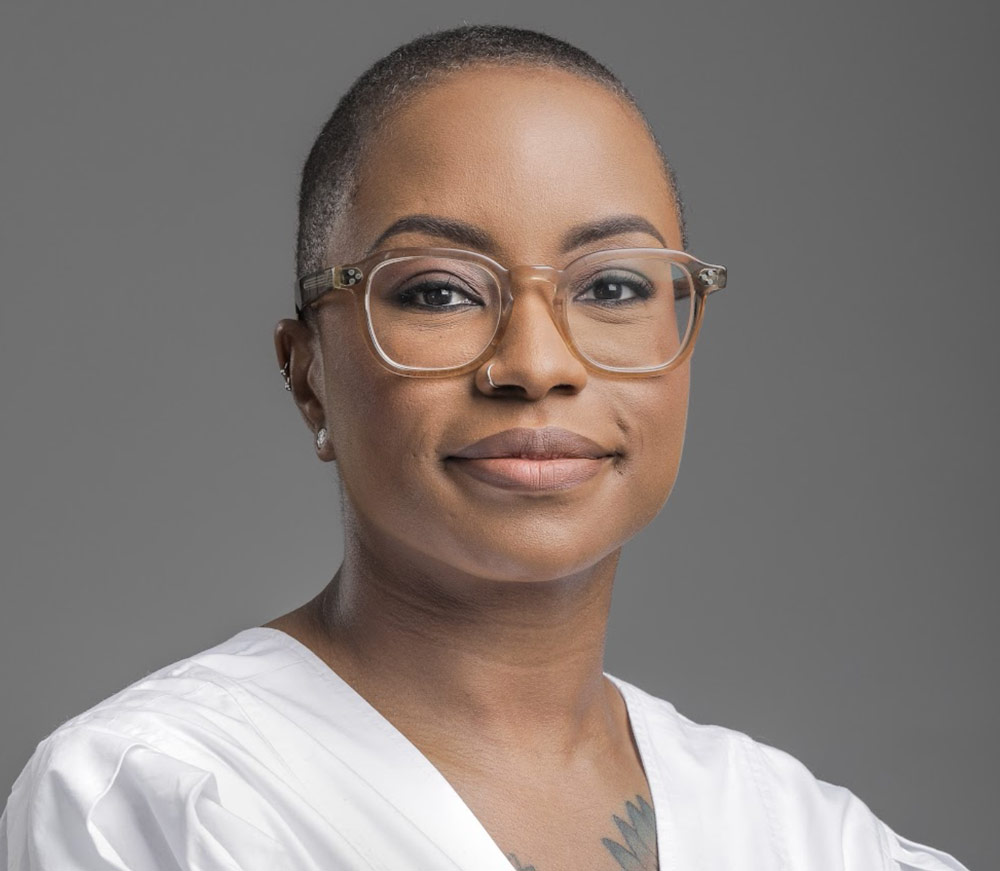
For over a century, the American labor movement had a blind spot: the home. While A. Philip Randolph fought for the men in the rail yards and Lucy Parsons fought for the workers in the factories, the millions of women working as nannies, housekeepers, and home health aides were left in the shadows. This labor was often dismissed as “women’s work,” a natural extension of domesticity rather than a professional industry. Jenn Stowe, the Executive Director of the National Domestic Workers Alliance, is the visionary changing that perception forever. She is proving that “care” is not just a personal act—it is an economic infrastructure.
Stowe’s work is deeply rooted in the historical correction of a “Jim Crow” era exclusion. When the Fair Labor Standards Act was passed in 1938, domestic and agricultural workers—who were predominantly Black—were intentionally excluded from federal protections like the minimum wage and overtime. This created a permanent underclass of laborers who worked in private homes without any legal recourse. Stowe has picked up the baton of this struggle, turning the NDWA into a powerhouse of legislative and social change. By advocating for a “Domestic Workers Bill of Rights” at both the state and federal levels, she is finally closing the loop that began with the abolition of slavery.
What makes Stowe a “Philosopher of Labor” for the 21st century is her ability to connect the “care economy” to the “global economy.” She argues that if the nannies can’t work, the doctors and lawyers can’t work. If the home care aides aren’t supported, our aging population suffers. By framing care as a public good, she has moved the conversation from “charity” to “rights.” This is especially critical as we face a national “care crisis,” where the demand for home-based support is skyrocketing while the workers themselves live in poverty.
Under Stowe’s leadership, the movement has also embraced the digital future. The NDWA has pioneered platforms that allow domestic workers—who are often isolated in individual homes—to connect, organize, and access benefits collectively. This is the modern evolution of Lucy Parsons’ “One Big Union.”
Jenn Stowe is the voice ensuring that as we redefine what “work” looks like in a post-pandemic world, we don’t forget the people who held our families together when the world stopped. She is the architect of a future where every home is a fair workplace, and every caregiver is treated with the dignity their essential labor deserves. Domestic work is the work that makes all other work possible. It’s time we treated it as the backbone of the economy.