
April: The Philanthropy of the Non-Elite
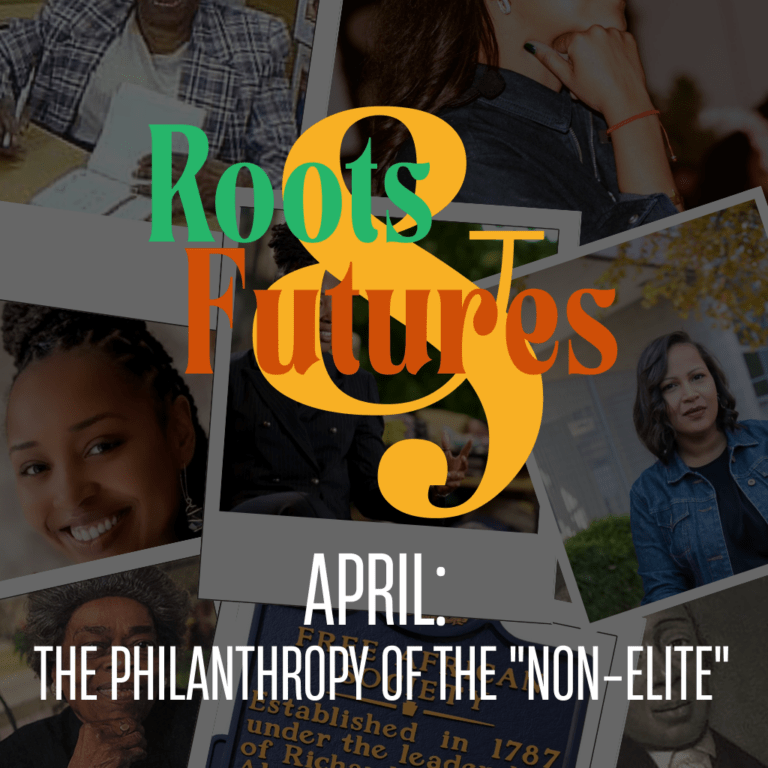
From the Free African Society's mutual aid network to Dr. Lakeysha Hallmon's Village Market — the most transformative philanthropy comes not from surplus, but from shared destiny.
Roots and Futures weekly content series — Black figures who built and are building the future.
From the Free African Society's mutual aid network to Dr. Lakeysha Hallmon's Village Market — the most transformative philanthropy comes not from surplus, but from shared destiny.
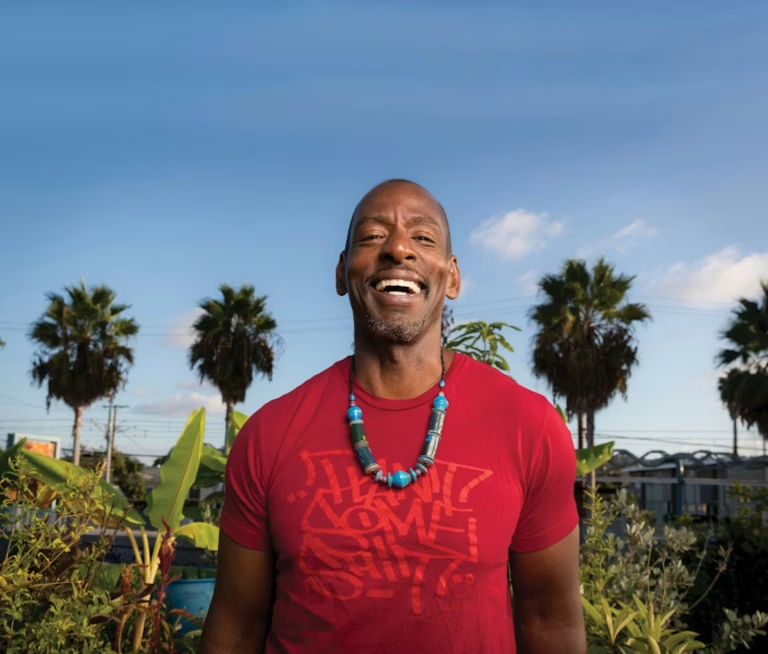
Born and raised in South Central Los Angeles, Ron Finley grew up in a "food desert" where drive-thrus were more common than driveways and liquor stores outnumbered grocery stores. A successful fashion designer by trade, his life’s "turning point" came in 2010 when he grew tired of driving 45 minutes just to find a tomato that hadn't been chemically treated. He decided to plant a garden in the small strip of dirt between the sidewalk and the street—the parkway—in front of his house. This simple act of planting carrots and kale led to a citation and an arrest warrant from the City of Los Angeles, sparking a grassroots rebellion against the city’s definition of "land use."
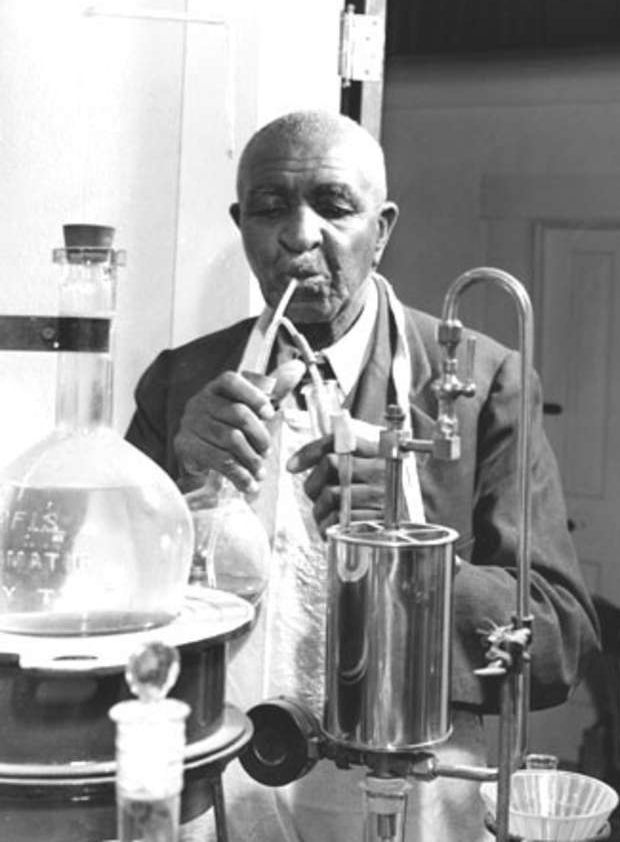
George Washington Carver’s life proves that true genius is found in service. He refused to patent most of his discoveries, believing that "God gave them to me, why should I sell them to someone else?" His work laid the groundwork for modern environmentalism and sustainable agriculture, proving that human survival depends on a harmonious, scientific relationship with the earth. His "voice" resonates today as a reminder that innovation should serve the many, not just the few.

Leah Penniman shows that environmentalism is inseparable from racial justice. She demonstrates that the soil is not just a medium for crops, but a medium for healing historical wounds. By reclaiming the title of "farmer" as an act of liberation rather than one of servitude, she has laid the groundwork for a future where food sovereignty is a universal right, and her voice resonates as a call to return to the earth to find our collective freedom.
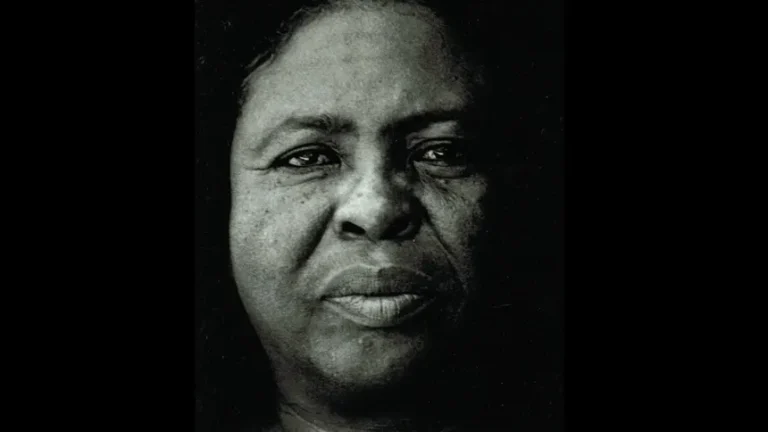
Fannie Lou Hamer’s life proves that political power does not require an elite pedigree; it requires an unbreakable will. She shattered the "respectability politics" of the era, proving that a sharecropper’s voice could be just as influential as a Senator’s. Her legacy laid the groundwork for the modern voting rights movement and intersectional advocacy, reminding us that "nobody’s free until everybody’s free."
March explored the profound relationship between Black liberation and the land — from Fannie Lou Hamer's Freedom Farm to Ron Finley's urban gardens. True sovereignty requires a connection to the earth.

Rachel Cargle’s life proves that joy is a metric of success. She has laid the groundwork for a modern movement where "self-care" isn't just a marketing buzzword, but a political strategy for survival. Her "voice" resonates because she challenges the idea that Black history is only a history of pain. She reminds us that the groundwork for the modern day wasn't just laid by those who fought, but by those who had the courage to imagine a world where they were already free, happy, and whole.
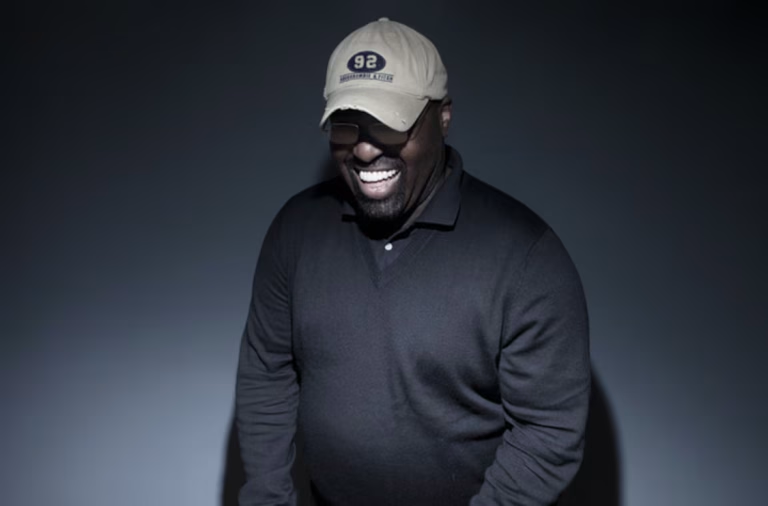
Frankie Knuckles’ life proves that community is the mother of invention. He didn't set out to create a billion-dollar industry; he was simply trying to keep his people dancing in the face of a world that wanted them invisible. He transformed the DJ from a human jukebox into a "priest of the dancefloor," proving that repetitive rhythm could be a form of healing and spiritual release. His legacy still resonates in every club and festival today, reminding us that House music isn't just a sound—it's an inclusive philosophy that says, "If you're under this roof, you belong."
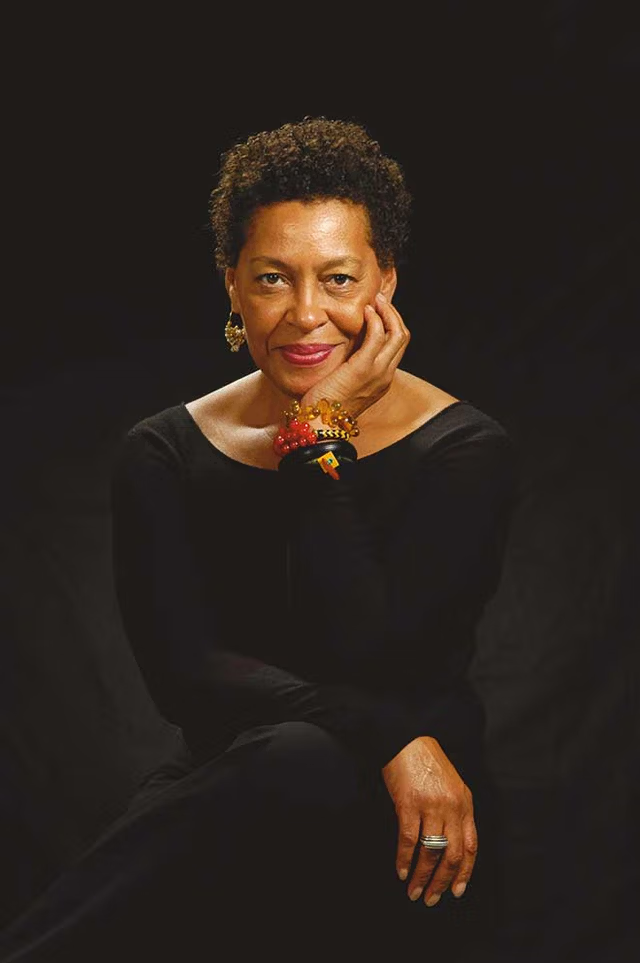
Carrie Mae Weems’s life proves that representation is a form of power. She did not just take pictures; she dismantled the way we "see" race, gender, and class. By placing herself or her subjects in positions of quiet authority, she laid the groundwork for modern visual culture to move beyond stereotypes. Her "voice" still resonates because she demands that we look at the parts of history that are uncomfortable, proving that until we confront the past's visual biases, we cannot truly see the present.
February explored how Black joy has never been a reaction to struggle — it is a deliberate social science. From Zora Neale Hurston's folklore to Frankie Knuckles' house music sanctuary, joy is a discipline.