PA 085 Free African Society

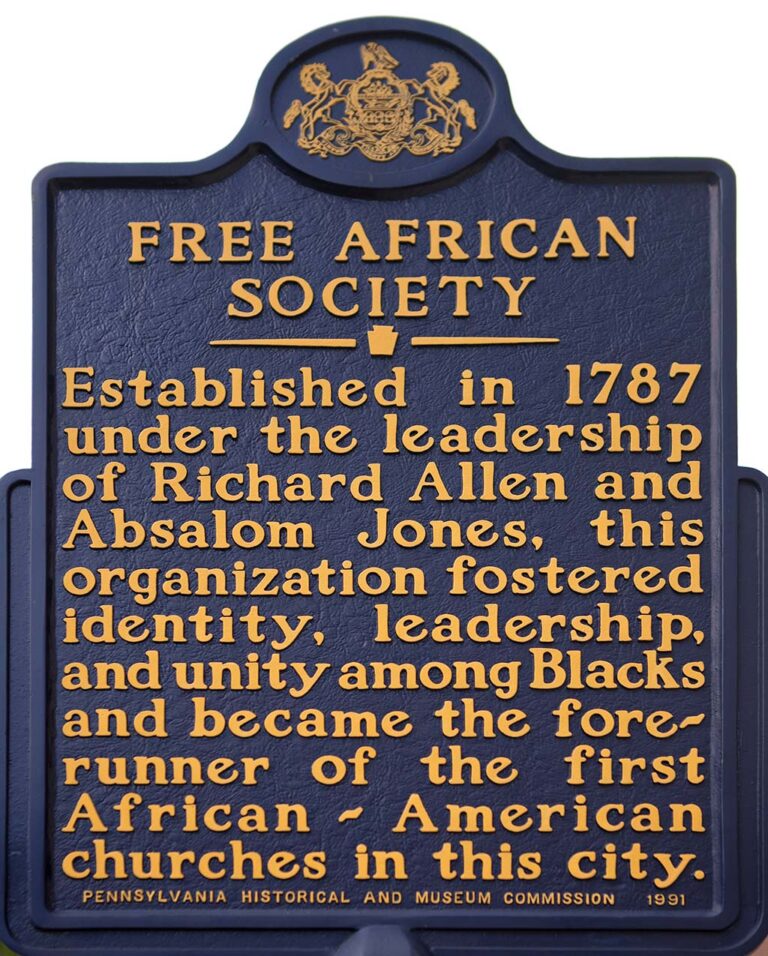
The Free African Society (1787)

Founded in Philadelphia by Richard Allen and Absalom Jones, the Free African Society (FAS) emerged from a moment of profound exclusion. Both men had purchased their freedom but found that even "free" spaces—like the St. George’s Methodist Episcopal Church—were segregated. The turning point occurred when Allen and Jones were pulled off their knees during prayer for sitting in a "white" section. Realizing that true freedom required independent institutions, they formed the FAS to provide the social safety net the government denied them.
Read MoreThe Free African Society (1787)

Momentum on Clay

Tuesdays with Junior | Ep 13 | March 31, 2026 Momentum on Clay The clay season is building. After two wins on the red dirt last week, Junior enters this week with something that can’t be trained directly — momentum.…

Read MoreMomentum on Clay
Main photo ron EvenTaller

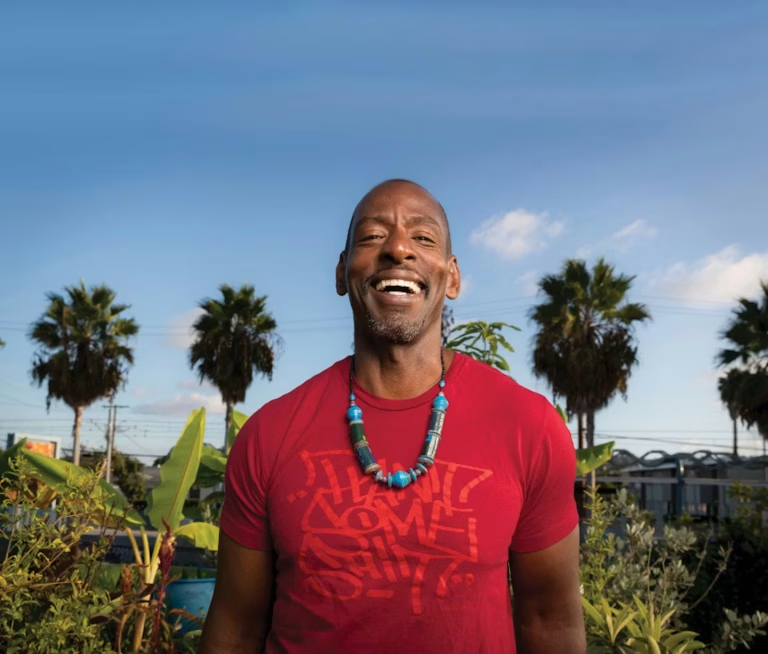
Ron Finley

Born and raised in South Central Los Angeles, Ron Finley grew up in a "food desert" where drive-thrus were more common than driveways and liquor stores outnumbered grocery stores. A successful fashion designer by trade, his life’s "turning point" came in 2010 when he grew tired of driving 45 minutes just to find a tomato that hadn't been chemically treated. He decided to plant a garden in the small strip of dirt between the sidewalk and the street—the parkway—in front of his house. This simple act of planting carrots and kale led to a citation and an arrest warrant from the City of Los Angeles, sparking a grassroots rebellion against the city’s definition of "land use."

Read MoreRon Finley
Carver1web

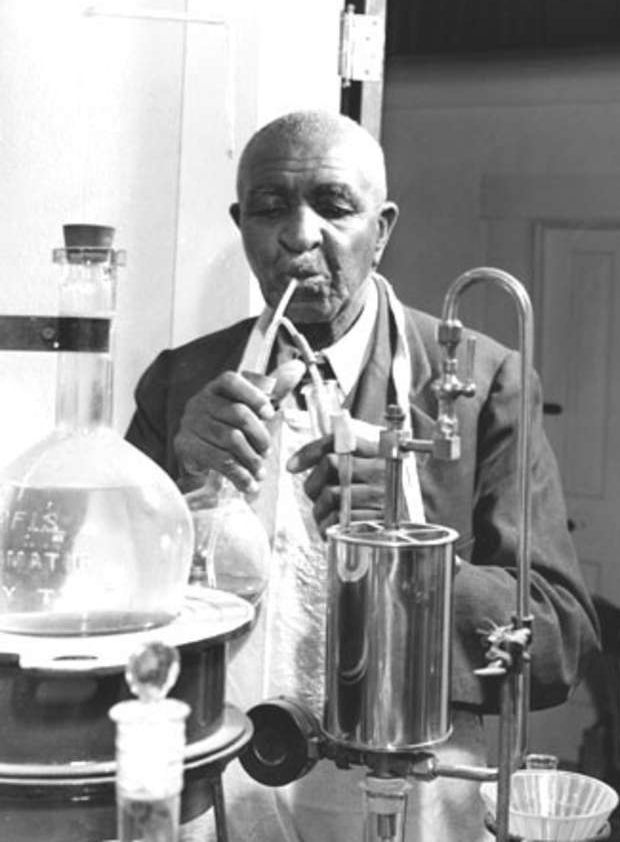
George Washington Carver

George Washington Carver’s life proves that true genius is found in service. He refused to patent most of his discoveries, believing that "God gave them to me, why should I sell them to someone else?" His work laid the groundwork for modern environmentalism and sustainable agriculture, proving that human survival depends on a harmonious, scientific relationship with the earth. His "voice" resonates today as a reminder that innovation should serve the many, not just the few.

Read MoreGeorge Washington Carver
LeahPenniman1 photocredit Jamel Mosely Mel eMedia (3)

Leah Penniman

Leah Penniman shows that environmentalism is inseparable from racial justice. She demonstrates that the soil is not just a medium for crops, but a medium for healing historical wounds. By reclaiming the title of "farmer" as an act of liberation rather than one of servitude, she has laid the groundwork for a future where food sovereignty is a universal right, and her voice resonates as a call to return to the earth to find our collective freedom.

Read MoreLeah Penniman
0121 FLHA+JOY.00 49 12 06.Still009

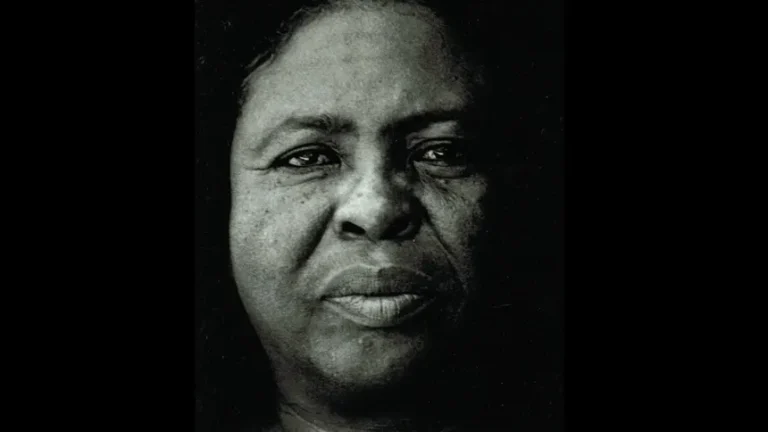
Fannie Lou Hamer

Fannie Lou Hamer’s life proves that political power does not require an elite pedigree; it requires an unbreakable will. She shattered the "respectability politics" of the era, proving that a sharecropper’s voice could be just as influential as a Senator’s. Her legacy laid the groundwork for the modern voting rights movement and intersectional advocacy, reminding us that "nobody’s free until everybody’s free."

Read MoreFannie Lou Hamer